 616.900.9717
 Wyoming, MI


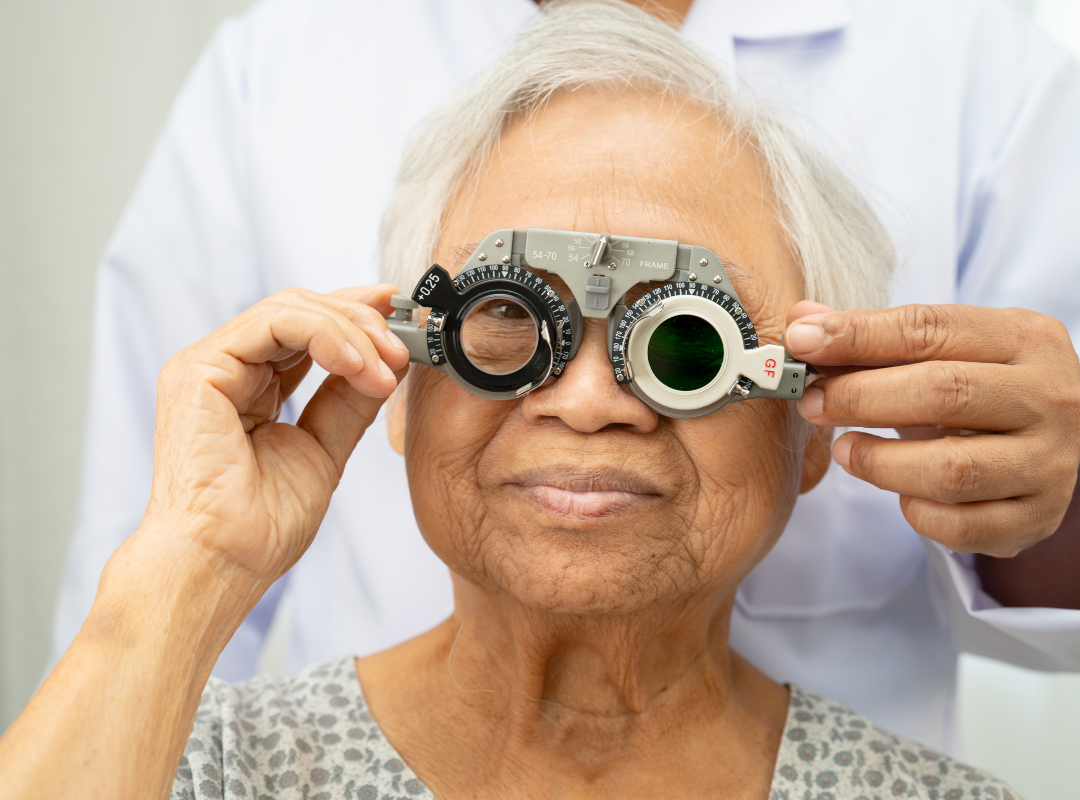
Common eye diseases elderly adults face should be screened early because even mild vision changes can turn into bigger daily challenges. Cataracts, glaucoma, and age-related macular degeneration can affect reading, movement, and confidence over time. The National Eye Institute says more than half of Americans age 80 or older either have cataracts or have had cataract surgery, which shows how common age-related eye changes can become.
If you are noticing changes in your own vision or helping a loved one pay closer attention, clear information can make the next step feel easier. At Wyoming Woods, families in Wyoming, Michigan, can explore assisted living support that helps daily life feel steadier and more comfortable. For a helpful related read, see Learn How to Cope When an Elderly Parent Refuses Help.
Why Common Eye Diseases Elderly Adults Face Need Early Attention
Age-related eye disease often develops slowly, so it can be easy to miss at first. A little more glare, trouble reading labels, or weaker contrast may not seem urgent, but those changes can affect safety, comfort, and independence over time.
The Centers for Disease Control and Prevention lists cataract, glaucoma, and age-related macular degeneration among the leading age-related eye disorders that can reduce vision and affect daily life. Regular eye exams matter even more when those changes start showing up in everyday routines.
The Most Common Eye Disease in Older Adults and What to Watch For
The most common eye diseases in older adults include cataracts, glaucoma, and age-related macular degeneration. Cataracts can make vision look cloudy, glaucoma can damage sight with few early symptoms, and macular degeneration can affect central vision and make close-up tasks harder.
Quick Signs You Should Not Ignore
- Blurry or cloudy vision
- Trouble seeing at night
- More glare from lights
- Missing spots in your vision
- Sudden blurred vision in elderly adults
If you notice any of these changes, an eye exam deserves prompt attention.
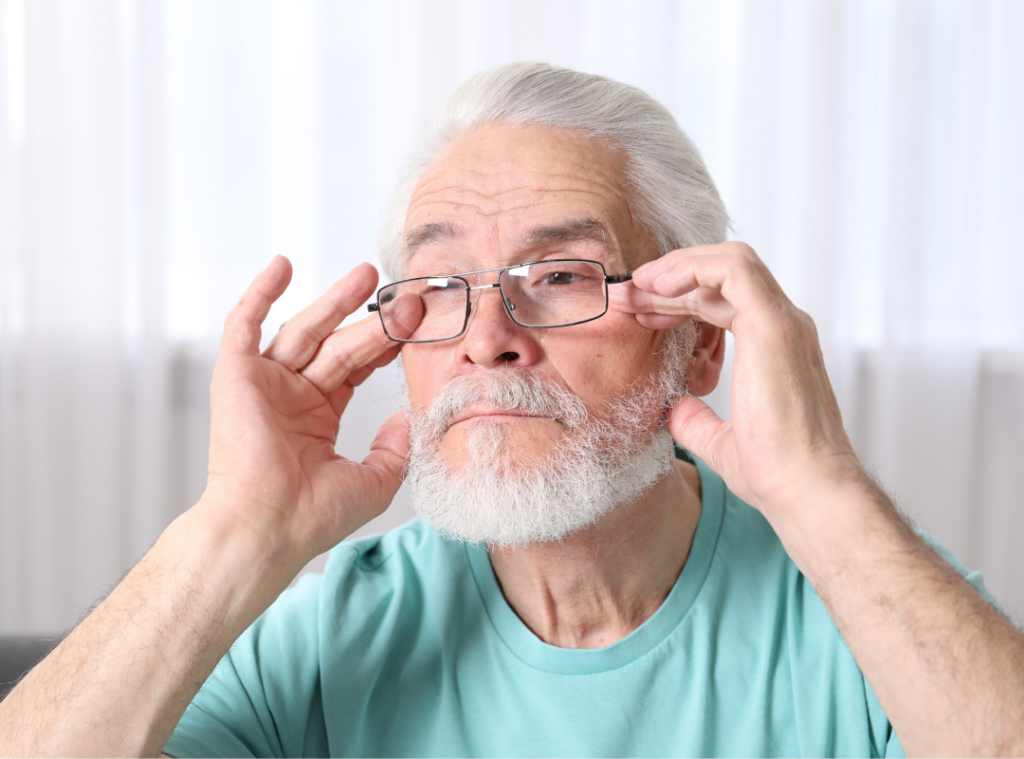
Signs of Aging Eyes vs Signs You Should Schedule an Exam
Some signs of aging eyes are common, while others deserve quicker medical attention. Knowing the difference can help you decide whether you are seeing a normal age-related shift or a change that should be checked sooner.
| Often Age-Related | Needs Prompt Attention |
| Needing brighter light to read | Sudden blurred vision |
| Slower focus between distances | Eye pain |
| More glare at night | New blind spots |
| Mild dryness | Rapid vision loss |
How to Reverse Aging Eyesight Naturally – What Helps and What Does Not
Many people search for ways to reverse aging eyesight or reverse aging eyes naturally. In most cases, age-related eye conditions are managed, not reversed. Healthy habits can still support comfort and long-term eye health, especially when they are paired with routine professional care.
Helpful habits include regular eye exams, UV protection, good lighting while reading, and paying attention to overall health. Trusted guidance is available through the National Eye Institute and the Centers for Disease Control and Prevention.
Common Eye Diseases Elderly Families Should Discuss During Care Planning
Vision changes can affect more than eyesight alone. They can make it harder to read labels, navigate familiar rooms, manage grooming, or feel fully confident in everyday tasks. For many families, this is when care planning starts to feel more immediate and more practical.
A supportive next step may be learning what kind of help fits best. Exploring levels of care or starting a care assessment can bring more clarity when daily routines no longer feel as easy as they once did.
How Supportive Living Can Help When Vision Changes Affect Daily Life
Supportive assisted living can make daily life smoother when vision changes begin to affect routine tasks. Help with getting dressed, hygiene and bathroom needs, mobility in living spaces and common spaces, housekeeping, laundry, and 24/7 access to medical care can ease stress for both seniors and families.
Life should still feel engaging and welcoming. Residents at Wyoming Woods can also enjoy dining, gardening, fitness and art classes, music and film enjoyment, board games and bingo, special events, and time together in beautiful communal spaces. Learn more on the amenities page.
A Clear Next Step for Families Seeking Peace of Mind
Early screening helps protect sight, but the right support can also protect confidence. If a loved one is finding everyday tasks harder because of changing vision, it may be time to look more closely at what assisted living can provide in a warm and respectful setting.You can schedule a tour, contact us, or call us at 616-900-9717 to learn more about life at Wyoming Woods and whether it feels like the right next step for your family.
Frequently Asked Questions
What is the most common eye disease in the elderly?
Cataracts are one of the most common eye conditions in older adults. They often develop slowly and can make vision look cloudy, dull, or less sharp. Many people first notice more glare at night or trouble reading fine print. Glaucoma and age-related macular degeneration are also common and should be watched closely. A full eye exam is the best way to confirm what is causing the change.
How do you treat age-related macular degeneration?
Treatment for age-related macular degeneration depends on the type and how far it has progressed. Some people need regular monitoring, while others may need specialist treatment and ongoing follow-up. Lifestyle habits and timely eye care can also play a role in protecting vision. Because central vision can change gradually, early exams matter. An eye specialist can recommend the most appropriate plan.
What are the three diseases that can impair the vision of older adults?
Three of the most common are cataracts, glaucoma, and age-related macular degeneration. Cataracts can cloud vision, glaucoma can damage the optic nerve, and macular degeneration can affect central sight. Each one can interfere with reading, mobility, and daily independence in different ways. Some changes happen slowly, which makes regular screening especially important. Early detection gives families more time to respond well.
What are the top 3 eye diseases?
The top 3 eye diseases often discussed in older adults are cataracts, glaucoma, and age-related macular degeneration. They are common because aging increases the risk for each of them. These conditions do not always begin with dramatic symptoms, which is why they are easy to overlook. Screening helps catch problems before they affect daily life more seriously. Clear answers and prompt care can make a meaningful difference.
The staff, as well as the management at Wyoming Woods is very caring. They also treat family in a kind and professional manner. The activities director is great at planning on-site activities, as well as activities to various locations – lunches out, shopping, etc. , to nice and good places! The beauty salon is on-site and the stylist provides a wonderful, warm environment.
Julie Didion