 616.900.9717
 Wyoming, MI


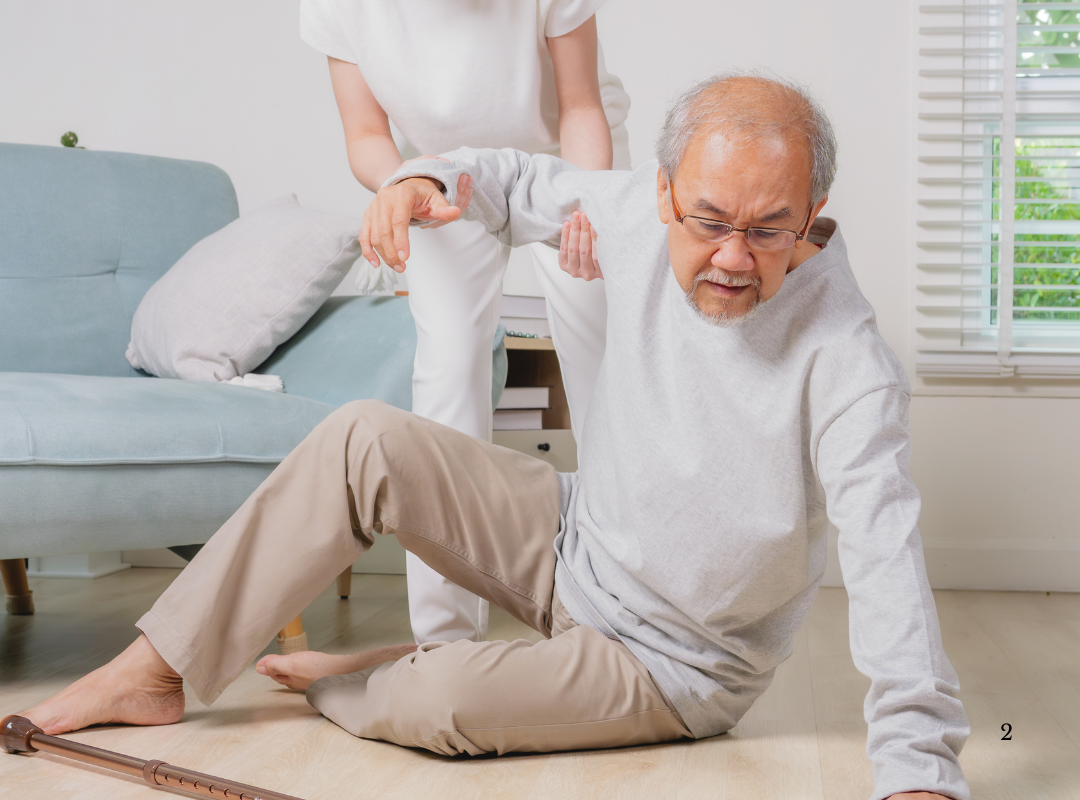
Strong calves help you walk with confidence, stay steady on stairs, and recover your balance if you trip. If you’re wondering how to strengthen calf muscles for seniors, the safest approach is simple: practice gentle, consistent movements (like calf raises) a few times per week, use sturdy support, and slowly increase your repetitions as you feel stronger.
The good news is you can learn how to strengthen calf muscles at home with short routines that take only a few minutes a day. If you’d like support in a community setting that helps you stay active and engaged, explore wellness-friendly living at Wyoming Woods, and make sure it is in line with the topic.
Why calf strength matters more as we age
Your calf muscles (the gastrocnemius and soleus) help you push off the ground when you walk, steady your ankles, and control how you lower your heels. When calves weaken, it can feel harder to:
- Walk longer distances without fatigue
- Step up onto curbs or stairs
- Keep balance when turning or stopping quickly
Fall prevention programs for older adults often emphasize strength and balance because they help reduce risk over time. For additional fall-prevention guidance, you can explore the CDC’s resources on older adult fall prevention here: CDC STEADI.
Benefits of stronger calves for seniors
Focusing on how to strengthen calf muscles for seniors’ exercise routines can support everyday comfort and mobility. Stronger calves may help with:
- Better balance and steadier walking
- More confidence on stairs and uneven ground
- Improved ankle support (which can help you feel more stable)
- More endurance for outings, hobbies, and daily tasks
At Wyoming Woods, staying active can be part of a fulfilling lifestyle, whether that’s enjoying community connection, gentle fitness classes, or shared activities. You can explore community offerings here:
Common signs your calves may need strengthening
You may benefit from calf strengthening if you notice:
- Your legs feel tired after short walks
- You feel unsteady when standing still or turning
- Stairs feel harder than they used to
- Your walking pace has slowed
If any symptom feels sudden, severe, or painful, check in with a clinician before starting new exercises.

Calf exercises seniors can do at home
These movements are effective, senior-friendly, and easy to scale. If your goal is how to strengthen calves quickly, the “quick” part comes from consistency, not pushing through pain. Aim for 2–4 days per week.
Standing calf raises (double-leg)
This is the classic calf raises exercise and a great starting point.
How to do it
- Stand tall behind a sturdy chair or at a counter
- Place feet hip-width apart
- Slowly rise onto your toes
- Hold 1–2 seconds
- Lower down with control
Start with: 8–12 repetitions, 1–2 sets
Tip: Move slowly, control matters more than height.
Seated calf raises (more support, less strain)
If standing feels unsteady, seated work is a smart way to begin.
How to do it
- Sit upright in a sturdy chair
- Keep toes on the floor and lift your heels
- Pause briefly at the top
- Lower slowly
Start with: 10–15 repetitions, 1–2 sets
This is also a comfortable way to practice how to strengthen calf muscles at home while watching TV or reading.
Single-leg calf raises (when you’re ready)
Once double-leg raises feel easy and steady, you can progress.
How to do it
- Hold a chair or counter lightly
- Lift one foot slightly off the floor
- Rise onto the toes of the standing leg
- Lower slowly
Start with: 6–10 repetitions per leg, 1 set
If balance is challenging, keep this as a “light touch” exercise (more support is okay).
Safety tips to protect your joints and prevent falls
Before beginning how to strengthen calf muscles for seniors’ exercise routines, keep these safety basics in mind:
- Use support: Chair, counter, or sturdy surface nearby
- Wear stable shoes: Avoid slippery socks on smooth floors
- Stop for sharp pain: Mild muscle effort is okay; sharp pain is not
- Progress slowly: Add reps first, then sets, then harder variations
Medical note: If you have diabetes-related nerve issues, severe arthritis, recent surgery, or frequent dizziness, ask a clinician or physical therapist what’s safest for you. For general exercise guidance for older adults, the National Institute on Aging offers practical tips here: NIA: Exercise and Physical Activity.
A simple weekly plan (easy to follow)
If you want a clear routine that builds strength without overdoing it:
- 2–4 days/week: Standing calf raises (8–12 reps × 1–2 sets)
- Most days (optional): Seated calf raises (10–15 reps × 1 set)
- After 2–3 weeks: Add a second set or try single-leg raises with support
If you’re searching for how to strengthen calves quickly, this is the safest path: small effort, repeated often.
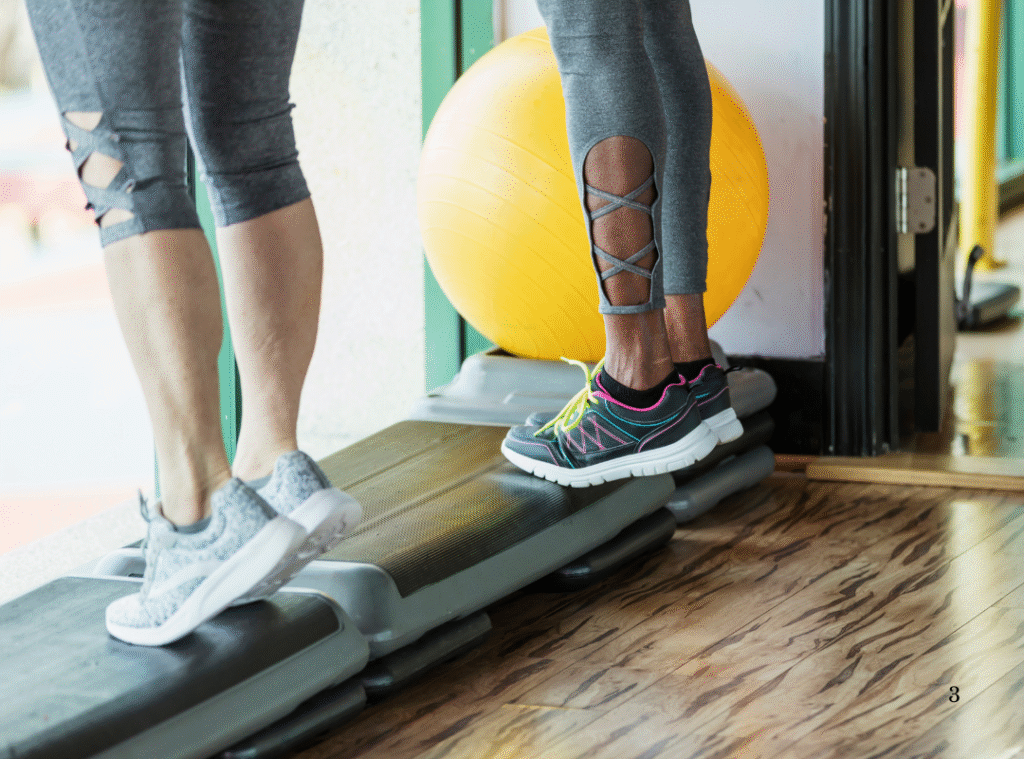
Make calf strength part of daily life
You don’t need long workouts. You can sprinkle calf work into your day:
- While brushing teeth: 5–10 gentle calf raises
- During kitchen time: rise onto toes while waiting for the kettle
- During TV breaks: seated calf raises for 1 minute
At Wyoming Woods in Wyoming, Michigan (near Grand Rapids), staying active can also mean staying connected, through classes, games, gatherings, and outings that keep your days engaging and purposeful (make sure it is in line with the topic). Learn more about community life here:
For additional trusted guidance on balance, strength, and fall-risk reduction, you may also find these resources helpful:
Ready for steadier steps and more confidence?
If you or your loved one wants a supportive community that encourages safe movement, connection, and daily routines that help you stay engaged, visit Wyoming Woods to explore what life can look like. Make sure it is in line with the topic.
Schedule a tour or speak with a senior living advisor:
Call 616-900-9717 to ask questions, explore options, and learn more in a calm, no-pressure way.
Frequently Asked Questions
Can seniors build calf muscles?
Yes, seniors can absolutely build calf muscles with regular exercise and proper technique. Even in older age, muscle fibers respond positively to resistance training, helping increase strength and stability. Focusing on low-impact exercises, such as calf raises, seated toe lifts, and gentle stretches, can yield great results. It’s important to start slow and progress gradually to avoid strain or injury. With regular activity and proper nutrition, seniors can maintain and even improve their calf muscle tone.
How do you fix weak calf muscles?
To strengthen weak calf muscles, start with simple exercises such as double-leg and single-leg calf raises. Gradually add resistance using light weights or resistance bands to challenge the muscles safely. Stretching the calves after exercise also helps improve flexibility and prevent tightness. Combining strength training with activities like walking or cycling can further enhance endurance. Consistency and proper form are key to rebuilding strength and balance in the lower legs.
Does walking build calf strength?
Yes, walking helps build and maintain calf strength, especially when done regularly and with proper posture. Walking on varied terrain, such as gentle hills or uneven surfaces, engages the calves more effectively. It also supports overall mobility, circulation, and balance for seniors. To enhance results, walking can be combined with specific calf exercises or light resistance training. Over time, these activities help tone muscles and reduce the risk of falls.
How to strengthen calf muscles for seniors at home?
Seniors can strengthen their calf muscles at home using simple and safe exercises. Start with seated or standing calf raises by slowly lifting your heels off the ground and lowering them back down. Using a wall or sturdy chair for balance is recommended. Gentle stretches before and after workouts help prevent stiffness and improve flexibility. Incorporating these exercises into a daily routine can significantly boost lower-leg strength and stability.
The staff, as well as the management at Wyoming Woods is very caring. They also treat family in a kind and professional manner. The activities director is great at planning on-site activities, as well as activities to various locations – lunches out, shopping, etc. , to nice and good places! The beauty salon is on-site and the stylist provides a wonderful, warm environment.
Julie Didion