 616.900.9717
 Wyoming, MI


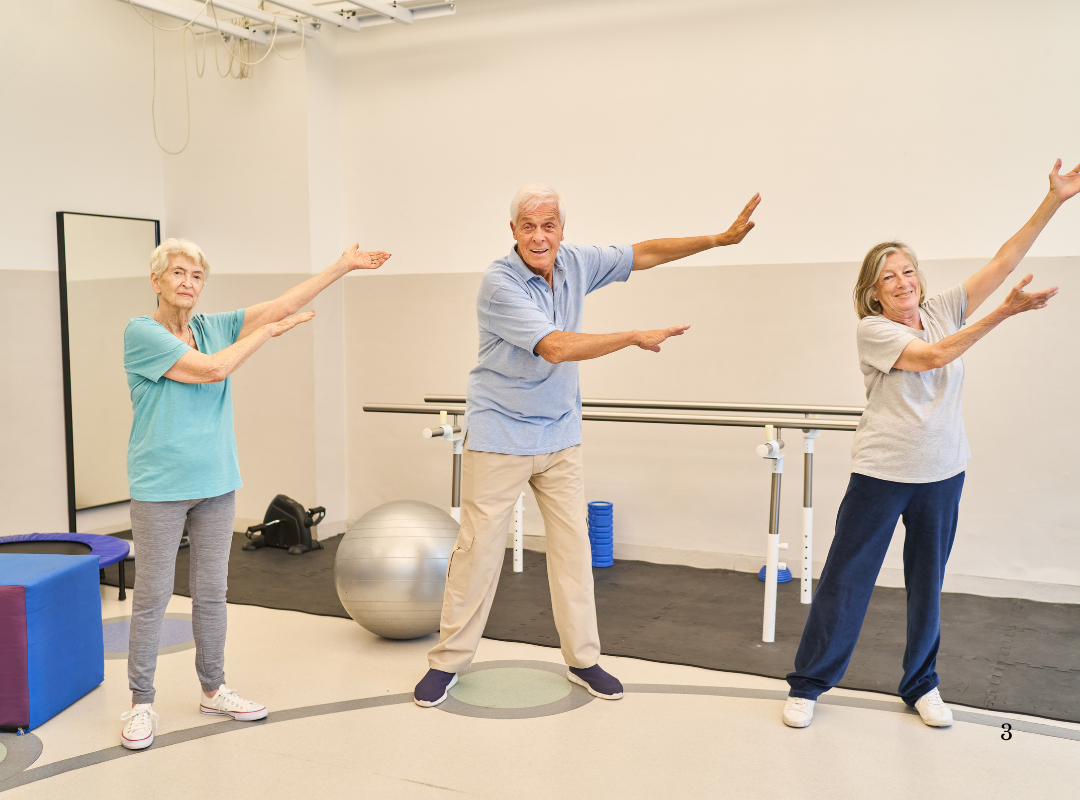
As people grow older, they often notice that movements once effortless now feel stiff or limited. What is resthe impact of age on flexibility? With age, muscles and connective tissues can become less elastic, and joints may feel tighter – especially if daily movement decreases. The good news is that flexibility can often be maintained, and sometimes improved, with safe, consistent habits like stretching, strength-building, and balance-focused activity.
At Wyoming Woods, we support older adults and families by focusing on comfort, daily function, and confidence in movement – making sure it is in line with the topic and a person’s abilities. Community life also makes it easier to stay engaged, whether that’s joining a class, enjoying activities, or building routines that keep you moving.
Understanding the Natural Decline of Flexibility With Age
Flexibility is the ability of a joint to move through a comfortable range of motion. Over time, normal aging can affect the “spring” in your body:
- Connective tissues may stiffen, which can reduce ease of motion.
- Muscles may tighten and weaken when we sit more and move less.
- Joints may feel less smooth without regular mobility work.
These changes can show up most clearly as loss of flexibility in the legs, such as tight calves, hamstrings, and hip flexors that affect walking, stairs, and getting up from chairs.
At what age does flexibility start to diminish?
Many people ask, at what age does flexibility start to diminish. There is no single “magic age,” but flexibility often becomes more noticeable to people in midlife and later. What matters most is activity level. Regular stretching and movement help maintain the range of motion and make daily tasks easier.
Why the Legs Often Feel Tight First
The legs do a lot of work all day, and they are also the body part most affected by long periods of sitting. Common signs of loss of flexibility in the legs include:
- Taking shorter steps or feeling “stuck” in the hips
- Tight hamstrings when bending
- Stiffness after sitting or the first thing in the morning
- Feeling less steady on uneven surfaces
Because leg stiffness can affect balance, it’s helpful to include balance activities as part of a weekly routine. The CDC recommends that older adults include activities to improve balance, along with aerobic and muscle-strengthening activities.
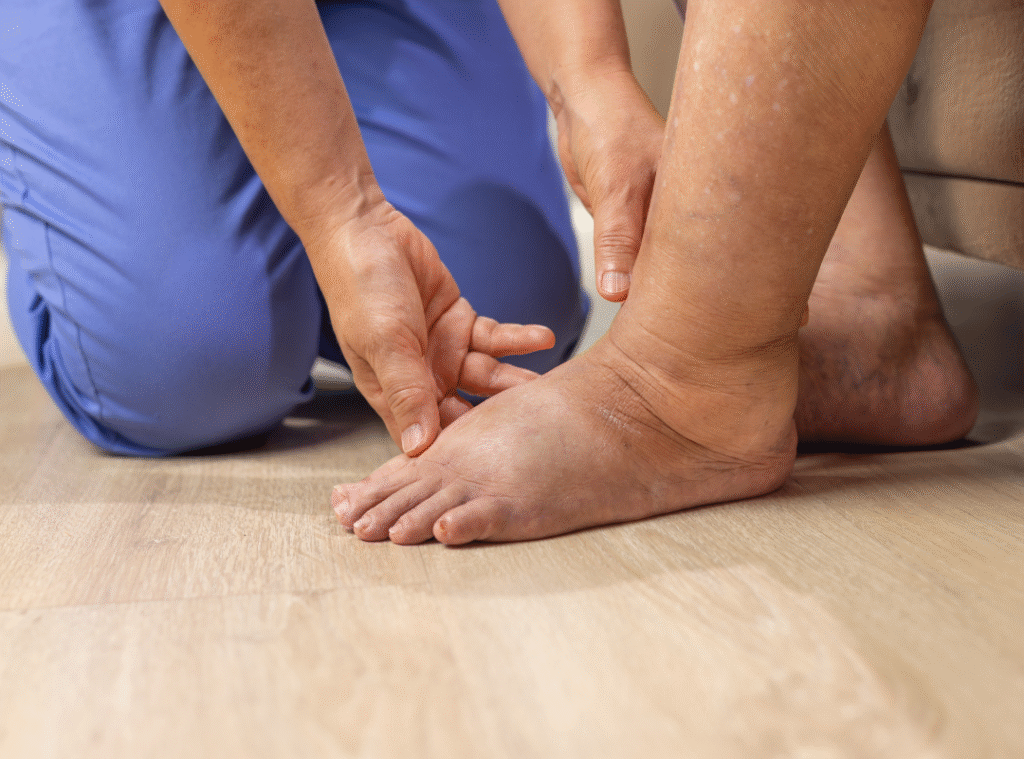
How Does Gender Affect Flexibility?
A common question is how does gender affects flexibility. In general, women may have greater flexibility than men due to hormonal and anatomical differences, but aging affects everyone. The biggest long-term driver of flexibility is still consistent movement habits (stretching, strength, and balance) rather than gender alone.
Stretching That Helps Without Overdoing It
Stretching can support flexibility and joint range of motion, especially when done gently and consistently. The National Institute on Aging recommends stretching when muscles are warmed up, breathing steadily, and not pushing into pain.
Try these simple, senior-friendly habits:
- Warm up first: even a short walk helps
- Hold, don’t bounce: slow, steady stretching is safer
- Breathe normally: avoid holding your breath
- Keep it light: you should feel mild tension, not sharp pain
Which is not a benefit of stretching?
It’s important to set expectations. Which is not a benefit of stretching? Stretching improves flexibility and range of motion, but it does not build significant muscle strength by itself. Strength gains come from resistance or strength-focused exercises.
If you’d like extra structure, resources like MedlinePlus guidance for older adults can help you understand how flexibility fits into a safe weekly routine.
Staying Engaged and Active at Wyoming Woods
At Wyoming Woods, daily life supports movement in ways that feel social and approachable, not overwhelming. Residents may enjoy:
- Activities like fitness and art classes, board games and bingo, music and film enjoyment, special events (including birthday parties), gardening, and outings to restaurants, museums, and local attractions
- Dining that supports routine, nutrition, and social connection
- Services that may include prompt housekeeping and laundry assistance, grooming services, help with dressing and hygiene, mobility support in living and common spaces, and access to care and assistance as needed
If you or a loved one needs more day-to-day support, explore our Levels of Care and Assisted Living options.
Safety Notes Before Starting a New Routine
This article is for general education and not medical advice. If you have osteoporosis, joint replacements, significant arthritis, neuropathy, dizziness, or recent surgery, it’s wise to check with your clinician or physical therapist before starting a new stretching or exercise plan.
Trusted resources for safe guidance include:
- National Institute on Aging (flexibility and safe stretching tips)
- Mayo Clinic (stretching benefits and safe approach)
- CDC Older Adult Activity Guidelines (balance, strength, and activity recommendations)
- American Heart Association activity recommendations (weekly movement targets)
Ready to Make Daily Movement Feel Easier?
If you’re exploring what the next step could look like for you or someone you love, Wyoming Woods is here as a helpful resource. Schedule a tour, ask questions, and talk through supportive options that fit your needs – with comfort, dignity, and community connection.
Call 616-900-9717 or contact us here to schedule a tour or speak with a senior living advisor.
Frequently Asked Questions
What is the impact of age and flexibility?
As people age, their muscles and joints naturally lose elasticity, resulting in a decrease in flexibility. This happens because collagen fibers in connective tissues become stiffer over time. Reduced flexibility can make movements more difficult and increase the risk of injury during daily activities. However, regular stretching and physical exercise can help maintain or even improve flexibility as we age.
What is the impact of age on flexibility, Brainly?
According to explanations found on Brainly, aging causes a gradual reduction in joint mobility and muscle elasticity. This results from changes in connective tissue, reduced muscle mass, and less physical activity. Over time, these factors can make it harder to bend, stretch, or move freely. Regular exercise and stretching are recommended to slow down this decline in flexibility.
What is the impact of age on flexibility, Quizlet?
Quizlet sources explain that as people grow older, their range of motion decreases due to joint stiffness and muscle shortening. The decline in flexibility can affect posture, balance, and coordination. It also increases the likelihood of strains and other injuries. Staying active and engaging in regular flexibility exercises can help counteract these effects and promote improved mobility.
What happens to your flexibility when you get older?
As you age, flexibility tends to decline as joints lose their lubrication and muscles become less elastic. This natural process can lead to stiffness and reduced range of motion. Daily tasks such as reaching, bending, or walking may feel more challenging. Engaging in low-impact exercises, such as yoga, stretching, or swimming, can help preserve flexibility and joint health throughout the aging process.
The staff, as well as the management at Wyoming Woods is very caring. They also treat family in a kind and professional manner. The activities director is great at planning on-site activities, as well as activities to various locations – lunches out, shopping, etc. , to nice and good places! The beauty salon is on-site and the stylist provides a wonderful, warm environment.
Julie Didion